informational

How to convert a scanned PDF into editable text

How to convert a scanned PDF into editable text

In today’s digital age, the ability to convert scanned PDFs into editable text is invaluable for professionals, students, and individuals alike. Whether you need to extract text from a scanned document for editing, analysis, or archival purposes, Optical Character Recognition (OCR) technology offers a solution. In this comprehensive guide, we’ll explore the process of converting scanned PDFs into editable text using OCR software, along with tips for optimizing text conversion accuracy and efficiency to get how to save an image as a pdf.

Understanding OCR Technology

OCR, or Optical Character Recognition, is a technology that converts scanned documents and images into editable text. It works by analyzing the shapes and patterns of characters in scanned images and translating them into machine-readable text. There are various types of OCR software available, ranging from basic free tools to advanced commercial solutions.

Benefits of Using OCR for Text Conversion

Using OCR technology for text conversion offers several benefits:

  • Time-saving Features: OCR software automates the process of text extraction, saving time and effort compared to manual transcription.
  • Improved Accuracy and Efficiency: OCR algorithms are continually improving, leading to greater accuracy in text recognition and conversion.
  • Enhanced Accessibility of Documents: Converting scanned PDFs into editable text makes the content accessible to screen readers and other assistive technologies, improving accessibility for users with disabilities.

Limitations and Challenges of OCR

While OCR technology offers many advantages, it also has some limitations and challenges:

  • Accuracy Issues with Handwritten Text: OCR algorithms may struggle to accurately recognize handwritten text, especially if it’s poorly written or contains unusual characters.
  • Complex Document Formatting: Documents with complex formatting, such as tables, graphics, or multiple columns, may pose challenges for OCR software, leading to errors or inaccuracies.
  • Language and Font Recognition Challenges: OCR software may have difficulty recognizing languages other than English or non-standard fonts, resulting in errors or incomplete text conversion.

Step-by-Step Guide to Converting Scanned PDFs

Converting scanned PDFs into editable text requires careful preparation and execution. Here’s a step-by-step guide to the process:

Choosing the Right OCR Software

Before converting a scanned PDF, it’s essential to choose the right OCR software for your needs. Consider factors such as features, compatibility, budget, and user reviews when making your selection.

Preparing the Scanned PDF Document

Before performing OCR text conversion, ensure that the scanned PDF document is of high quality. Check for issues such as skewing, cropping, noise, or background disturbances that may affect text recognition accuracy.

Performing OCR Text Conversion

Once the scanned PDF is prepared, open it in your chosen OCR software and select the appropriate text recognition options. Initiate the conversion process, and review the results for accuracy and completeness.

Tips for Optimizing OCR Text Conversion

To optimize the accuracy and efficiency of OCR text conversion, consider the following tips:

Enhancing Text Recognition Accuracy

Use high-quality scanning equipment to ensure clear and legible images for OCR processing. Adjust OCR settings based on the specific document type and perform manual corrections as needed to improve accuracy.

Dealing with Complex Document Formatting

Handle complex document formatting elements such as tables, graphics, and columns carefully during OCR text conversion. Retain the original document structure as much as possible and explore advanced formatting options available in your OCR software.

Addressing Language and Font Recognition Challenges

Ensure that your OCR software supports the language used in the scanned document and can recognize non-standard or obscure fonts. Explore multilingual OCR capabilities if you’re working with documents in multiple languages.

Finalizing and Editing Converted Text

After performing OCR text conversion, review and edit the converted text as needed for accuracy and completeness. Save the edited text in a compatible file format, back up the original scanned PDF for future reference, and implement document integrity and security measures as necessary.
Business

Hydroponic Tomato Production: Cultivating Flavorful, Year-Round Delights

Hydroponic Tomato Production: Cultivating Flavorful, Year-Round Delights

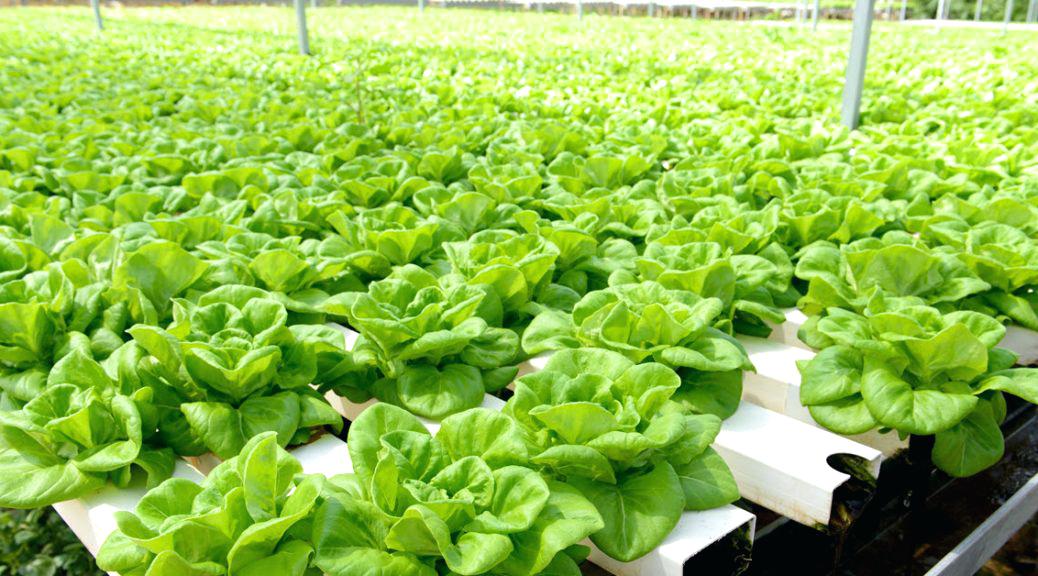
Hydroponic tomato production has revolutionized the way we grow this beloved fruit. By eliminating the constraints of soil and weather, hydroponics offers a controlled and sustainable method to produce flavorful tomatoes throughout the year. In this 800-word blog post, we’ll explore the advantages of hydroponic tomato production, best practices for success, and how you can savor the rewards of cultivating juicy, homegrown tomatoes in your hydroponic garden. For more information regarding hydroponic plant one can visit our site https://hydroponicglobal.com.au/.

Advantages of Hydroponic Tomato Production:

1. Year-Round Harvest: Hydroponics allows for tomato cultivation irrespective of the season or climate, ensuring a continuous supply of fresh, ripe tomatoes.

2. Resource Efficiency: Hydroponic systems are highly efficient in water and nutrient use, conserving these valuable resources compared to traditional soil-based farming.

3. Precise Nutrient Control: Growers have precise control over nutrient delivery, tailoring it to tomatoes’ specific needs, resulting in healthier and more nutrient-dense fruits.

4. Space Utilization: Hydroponic setups, including vertical systems, maximize space utilization, enabling higher tomato yields in limited areas.

5. Reduced Disease Pressure: Soilless growing reduces the risk of soil-borne diseases, minimizing the need for pesticides and herbicides.

6. Faster Growth: Hydroponically grown tomatoes often mature more rapidly than those grown in soil, leading to quicker harvests.

Best Practices for Hydroponic Tomato Production:

Achieving success in hydroponic tomato production requires careful planning and adherence to best practices:

1. Tomato Variety Selection: Choose tomato varieties that are well-suited for hydroponic cultivation. Indeterminate varieties, which continue to produce fruit throughout the growing season, are popular choices.

2. Optimal Temperature and Light: Maintain an air temperature of around 75-85°F (24-29°C) during the day and slightly cooler at night. Provide 12-16 hours of high-quality light daily using suitable grow lights like LED or high-intensity discharge (HID) lamps.

3. Hydroponic System Selection:

– Nutrient Film Technique (NFT): A continuous nutrient film flows over the roots, making it well-suited for tomato cultivation.

– Deep-Water Culture (DWC): Tomatoes thrive with their roots submerged in a nutrient-rich solution, and DWC is a suitable choice.

– Drip Irrigation: Drip systems deliver water and nutrients directly to the root zone and are versatile for various hydroponic setups.

4. Nutrient Management: Maintain the pH of your nutrient solution between 5.5 and 6.5 to ensure optimal nutrient uptake. Adjust the electrical conductivity (EC) based on tomato growth stages and varietal requirements.

5. Proper Plant Spacing: Provide adequate space between tomato plants according to their variety and growth habit to ensure access to light and prevent overcrowding.

6. Timely Pruning: Prune tomato plants to encourage proper air circulation and light penetration, reducing the risk of disease and improving fruit quality.

7. Trellising and Support: Use sturdy trellises or support structures to prevent sprawling and ensure that tomato plants grow upright.

8. Timely Harvesting: Harvest tomatoes when they reach their ideal ripeness and color. Gently twist or cut the fruits from the plant to avoid damaging them.

9. Pest and Disease Management: Although hydroponics reduces the risk of pests and diseases, regularly inspect your crop and maintain good sanitation practices to prevent potential issues.

10. Water Quality: Ensure that the water used in your hydroponic system is free from contaminants and pathogens. Use filtered or purified water.

11. Environmental Control: Maintain proper ventilation, humidity, and CO2 levels to create an ideal growing environment for your tomatoes.

Role of Hydroponic Tomato Production in Sustainability:

Hydroponic tomato production aligns with sustainable agricultural practices:

1. Water Efficiency: Hydroponics significantly reduces water consumption compared to soil-based farming, making it a water-efficient choice.

2. Reduced Chemical Use: Controlled environments and reduced disease pressure often result in fewer pesticide and herbicide applications.

3. Year-Round Harvest: By providing a consistent supply of locally grown produce, hydroponics reduces the need for long-distance transportation, lowering carbon emissions.

Conclusion:

Hydroponic tomato production is a sustainable and efficient method to enjoy fresh, juicy tomatoes year-round. With proper planning, care, and attention to environmental conditions, you can cultivate flavorful, homegrown tomatoes that rival those found in your local farmers’ market. Whether you’re a hydroponic enthusiast or a commercial grower, hydroponic tomato production offers a rewarding opportunity to savor the taste of homegrown tomatoes throughout the year.